How Often Should You Sealcoat Your Driveway in Charlotte NC?
Sealcoating frequency is one of the most important maintenance decisions Charlotte, NC, homeowners can make to protect their asphalt driveways. The local climate plays a direct role in how quickly an asphalt surface breaks down. This guide covers the recommended sealcoat interval for Charlotte's conditions, the warning signs your driveway is overdue, and what happens when you skip this step.
How Often Should You Sealcoat Your Driveway in Charlotte, NC?
Most asphalt driveways in the Charlotte area benefit from sealcoating every two to three years. Charlotte sits in the Piedmont region of North Carolina, where summers are long, humid, and consistently hot. That combination of intense UV radiation and high ambient heat can oxidize asphalt binder faster than in cooler climates. A fresh coat of sealant helps slow that process and keeps the surface flexible rather than brittle.
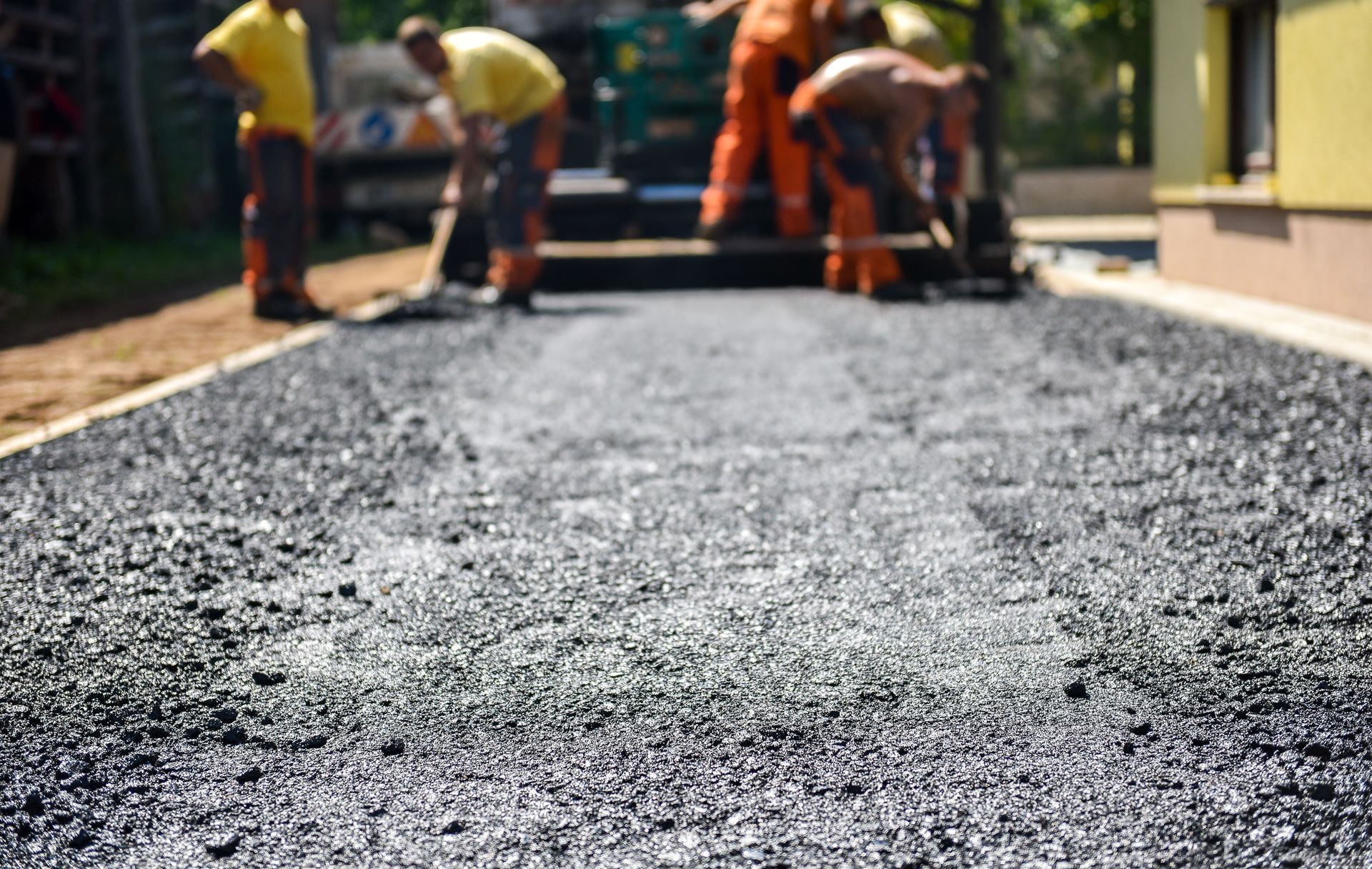
New driveways are a special case. Fresh asphalt typically needs to cure for at least six months to a year before the first application of driveway sealcoating. Applying it too early can trap oils that still need to escape the new pavement.
What Speeds Up Sealcoat Wear in the Charlotte Climate?
Charlotte's climate creates specific stressors that homeowners in cooler, drier states may not face to the same degree.
▸ Summer heat can push pavement surface temperatures well above air temperature, accelerating UV oxidation.
▸ High humidity and frequent thunderstorms allow water to seep into surface voids, where it expands and contracts with spring and fall temperature swings, widening the gaps over time.
▸ Tree coverage in neighborhoods like Dilworth, Myers Park, and Eastover allows leaf debris and moisture to collect on driveways, prolonging surface dampness.
▸ Vehicle fluid drips can degrade unprotected asphalt over time.
These factors often push Charlotte driveways toward the shorter end of the two-to-three-year treatment window.
Signs Your Driveway Needs Sealcoat Now
Your driveway will often show visible signs that a new coat is due. Watch for these indicators.
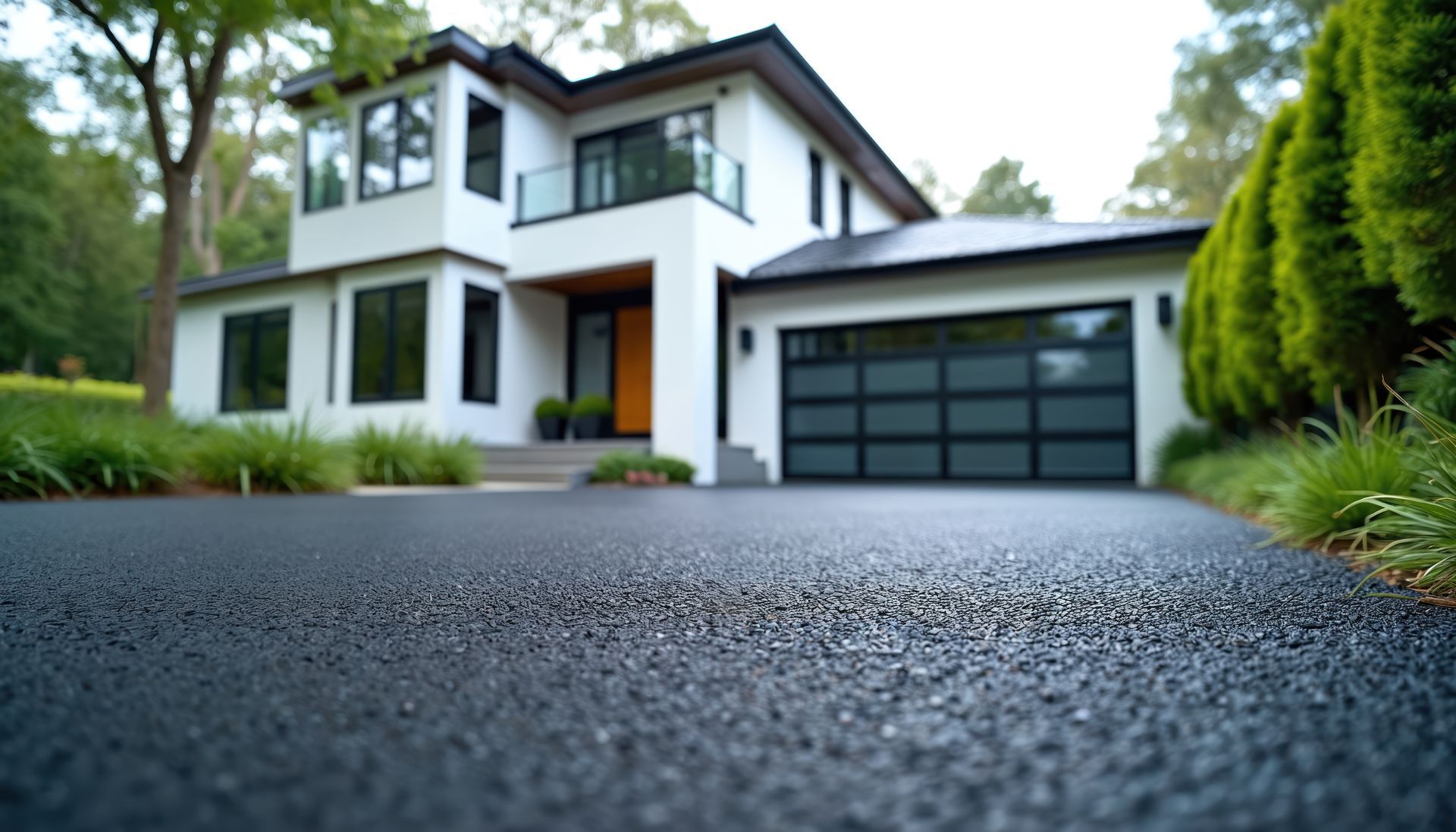
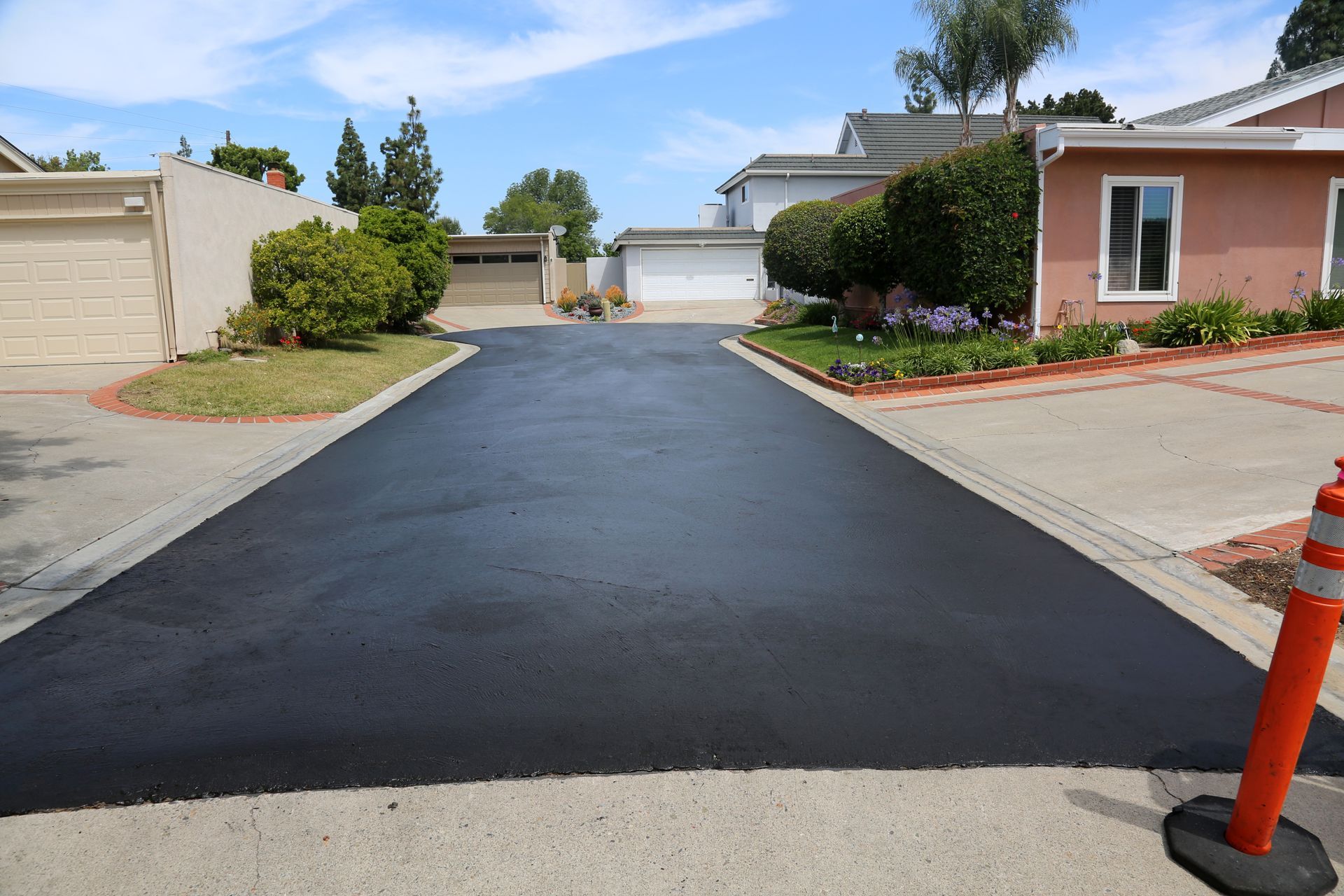
▸ A faded gray or brown color where the surface was once deep black.
▸ Small surface cracks, such as hairline or alligator cracking, spreading across the pavement.
▸ A rough, pitted texture where aggregate is beginning to show through.
▸ Oil stains that have penetrated the surface and no longer bead on top.
If you notice larger cracks or potholes, those may need
asphalt repair
before any protective coating can be applied effectively.
What Happens If You Skip Sealcoating?
Unprotected asphalt is vulnerable to accelerated oxidation, water intrusion, and surface erosion. Small cracks widen, water reaches the base layer, and the pavement can shift or heave. What starts as a surface issue can eventually require full driveway replacement, which is a far greater investment than routine pavement maintenance.
What Does the Sealcoating Process Involve?
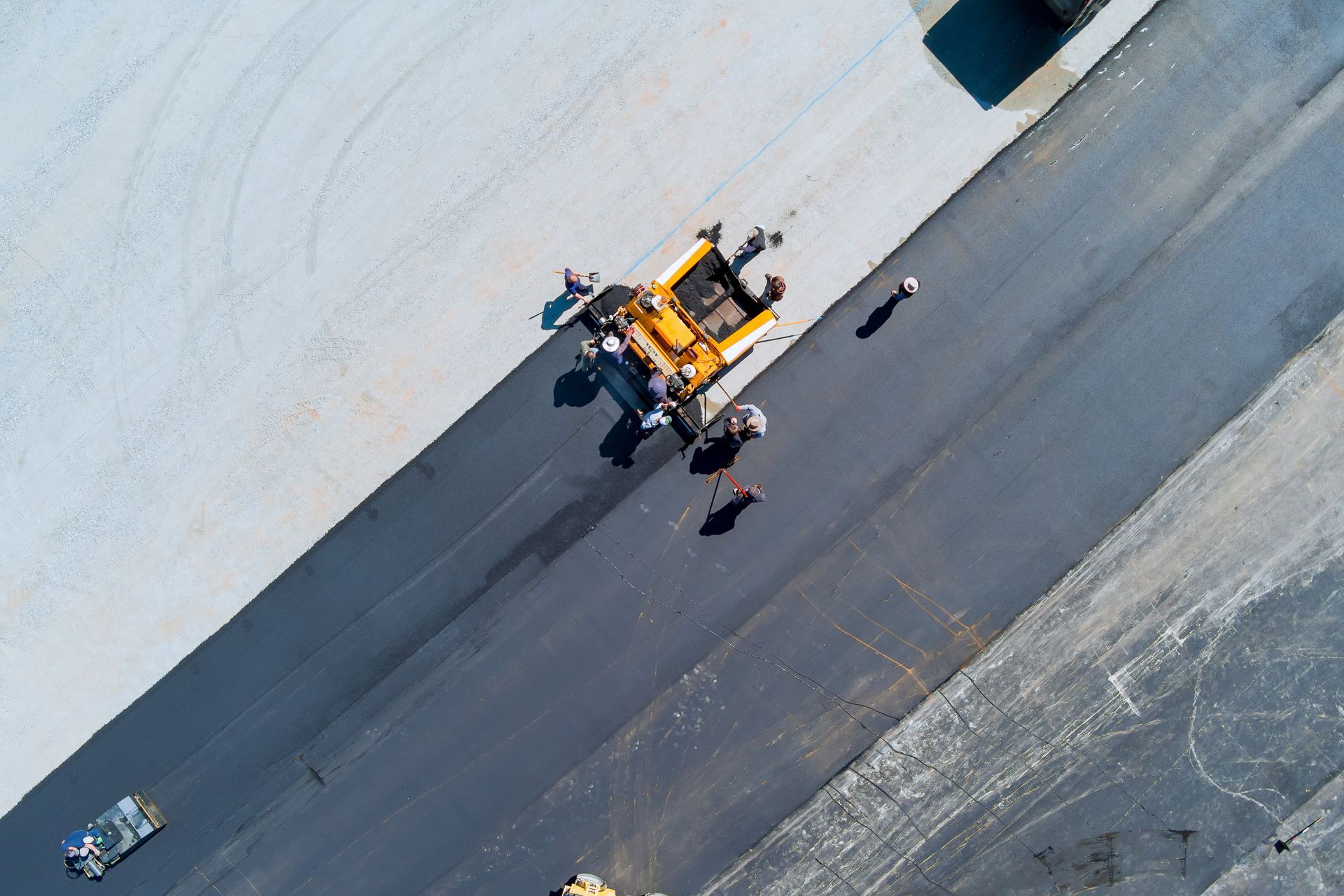
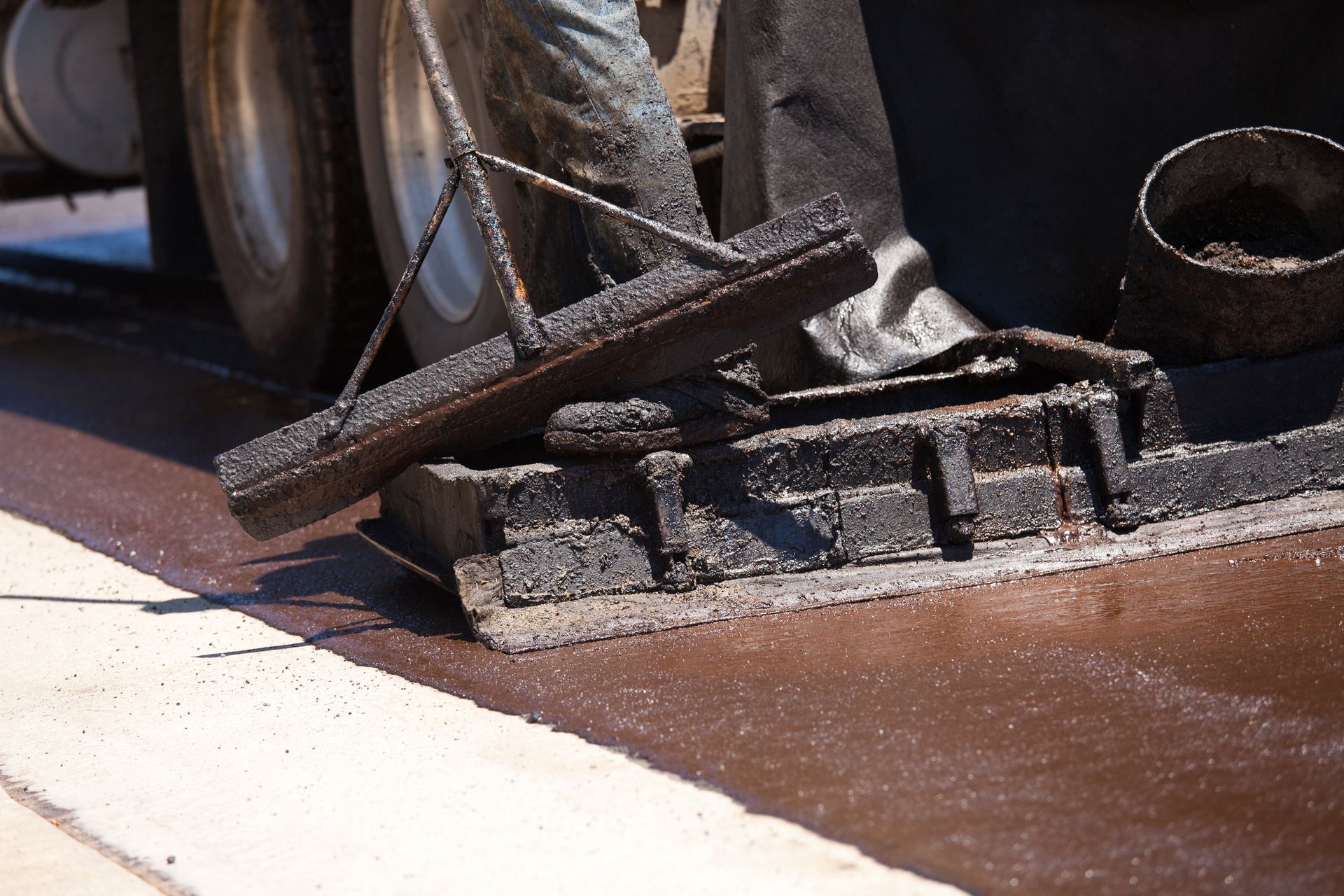
A professional crew typically cleans the surface, fills minor cracks, and applies driveway sealcoating by spraying or brushing it evenly across the pavement. Curing takes 24 to 48 hours, depending on temperature and humidity. Scheduling in Charlotte is best done during warm, dry weather to allow proper adhesion and curing.
Schedule Your Estimate With Arrow Paving
Arrow Paving has served the Charlotte, NC, area with professional paving and pavement protection services since 1979. If your driveway is showing wear, or if it has been more than two years since the last treatment, now is a smart time to act. Contact us to request a free estimate, or call (704) 517-9815 today.